
 Australia
 Bangladesh
 Belgium
 Canada
 France
 Germany
 India
India
 Ireland
 Italy
Italy
 Luxembourg
 Malaysia
 Netherlands
 New Zealand
 Nigeria
 Pakistan
 Philippines
 Singapore
 South Africa
 Sweden
 Switzerland
 United Kingdom

The Role of AI and Technology in Modern HR
The landscape of Human Resources (HR) is evolving rapidly, driven by the strategic integration of Artificial Intelligence (AI) and advanced technologies. Modern HR is moving beyond administrative tasks, leveraging these tools to optimize the employee lifecycle, from talent acquisition to retention, fostering data-driven, efficient, and human-centric workplaces.
The Rise of AI in HR: Intelligent Automation and Beyond
AI is transforming core HR functions by analyzing vast datasets, identifying patterns, and generating actionable insights. Its impact extends across multiple areas:
-
Talent Acquisition Revolutionized:
- AI-powered platforms streamline sourcing, screening, and candidate selection.
- Natural Language Processing (NLP) algorithms analyze resumes and job descriptions to identify ideal matches based on skills, experience, and cultural fit.
- Chatbots enhance candidate experience by providing instant responses and guiding applicants, freeing recruiters for strategic tasks.
- Predictive analytics uses historical hiring data to forecast talent needs and optimize recruitment strategies.
-
Personalized Learning and Development:
- AI-driven platforms analyze individual skill gaps and career aspirations to recommend tailored training modules, resources, and mentorship opportunities.
- This personalized approach fosters continuous learning, enhances skills, and builds a more agile workforce.
-
Enhanced Employee Engagement and Experience:
- AI-powered sentiment analysis tools assess employee morale through surveys, feedback, and internal communications, enabling proactive issue resolution.
- Employee self-service portals, accessible via mobile apps and web interfaces, empower employees to manage information, access resources, and connect with HR seamlessly.
-
Data-Driven Decision Making:
- HR analytics platforms consolidate data from various systems, providing insights into turnover rates, recruitment efficiency, training effectiveness, and engagement levels.
- These insights enable informed decision-making, strategy optimization, and demonstration of HR’s impact on business outcomes.
-
Streamlined HR Operations:
- Automation of routine tasks, such as onboarding, benefits administration, digital document management, and payroll, enhances efficiency and reduces errors.
- This allows HR professionals to focus on strategic and human-centric responsibilities.
The Broader Role of Technology in Modern HR
Beyond AI, a variety of technologies are shaping the HR landscape:
-
Cloud-Based HR Management Systems (HRMS):
- Centralized platforms improve data accessibility, collaboration, and scalability for managing HR functions.
-
Video Conferencing and Collaboration Tools:
- Essential for remote and hybrid work, these tools enable seamless communication, virtual meetings, and team collaboration.
-
Communication Platforms:
- Internal tools enhance transparency, foster community, and ensure timely dissemination of information.
-
Performance Management Software:
- Digital platforms streamline performance reviews, goal setting, and feedback, promoting continuous improvement and development.
-
Wellness and Wellbeing Platforms:
- These platforms provide resources for mental, physical, and financial health, recognizing the importance of employee wellbeing.
Looking Ahead: The Human Touch Remains Essential
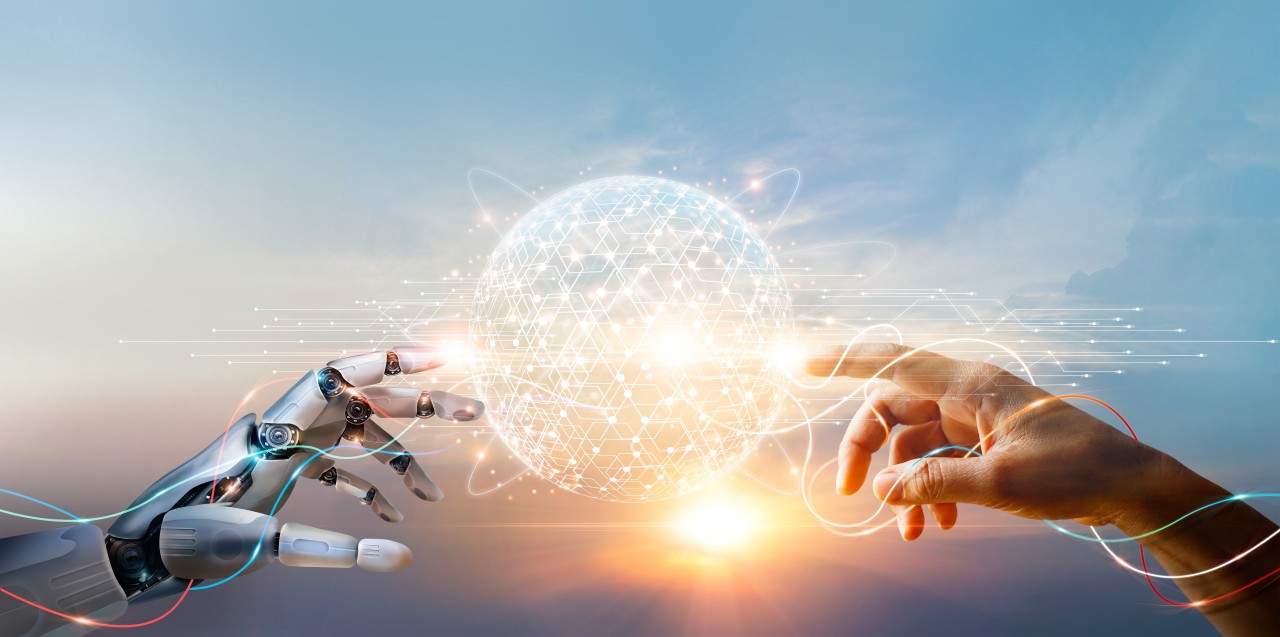
While AI and technology are transformative, the human element remains critical. Technology augments human capabilities, enabling HR professionals to focus on strategic initiatives, employee relations, and fostering inclusive work environments. The future of HR lies in a partnership between humans and technology, where data-driven insights and automation create engaged, productive, and fulfilling workplaces.
HR professionals must embrace continuous learning and adaptability, staying informed about technological advancements and leveraging them strategically to drive organizational success and empower the workforce. The integration of AI and technology is not just a trend—it is the foundation of the future of work.